الوضع الليلي


 1:47:2
 2026-10-04
 615
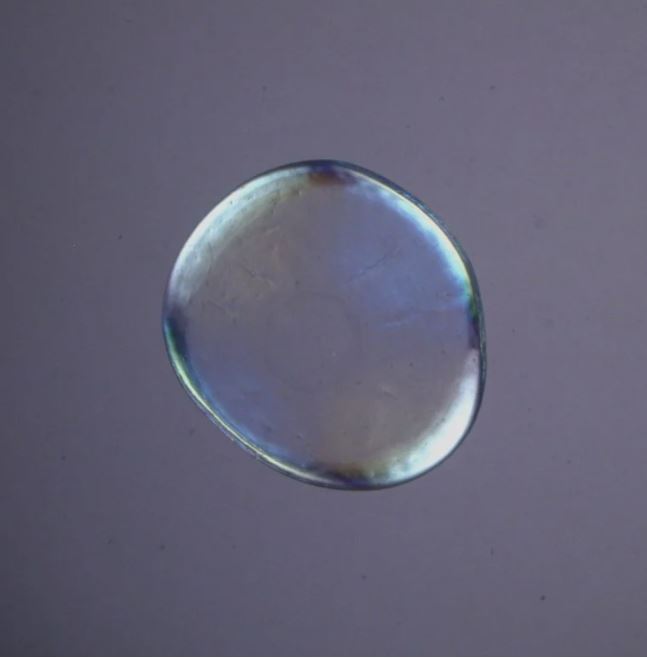
A biodegradable honeybee silk film that does not interfere with wound healing could support future dressings that detect infection or deliver drugs.
An estimated 450,000 people in Australia develop chronic wounds each year, placing more than $6 billion in costs on the health system. When those wounds become infected, healing can stall, the risk of hospitalization and amputation can rise, and patients may need repeated clinical treatment. Even changing a dressing can disturb the delicate new tissue forming underneath.
Any material placed inside that environment must break down safely without interfering with the body’s repair process. More advanced features, such as infection detection or controlled drug delivery, can only be added after researchers establish that the underlying material is well tolerated.
“Wound healing is a very complicated process, and we need to understand how a new material behaves in that environment before we can start adding more sophisticated functions to it,” said Dr. Anna Antipov of Adelaide University’s Future Industries Institute.
Honeybee silk breaks down during healing
Researchers from CSIRO and Adelaide University have now tested a biodegradable film made from engineered honeybee silk as a possible foundation for a new generation of wound dressings. CSIRO developed and produced the recombinant silk film, while the Adelaide University team supplied wound-healing expertise and conducted the laboratory tests.
The study, published in the Journal of Biomedical Materials Research Part B: Applied Biomaterials, found that the film was safe and well tolerated during healing. Much of the material gradually broke down inside the wound instead of remaining behind permanently, raising the possibility that future dressings could require less frequent removal and cause less disruption to newly formed tissue.
“What we’ve shown is that this honeybee silk material is biodegradable and well tolerated by the body, and importantly, it does not stop the wound from healing,” Antipov said.
Silk that could respond to wounds
Honeybee larvae naturally produce silk proteins to build protective structures inside the hive. The material differs from spider silk and silkworm silk, but its proteins share several useful qualities. They are strong, flexible, and lightweight. Researchers can also modify the protein sequence without destroying the structure of the resulting material.
Producing the silk through bioengineering gives researchers even greater control over those molecular instructions. Specific changes could eventually allow a dressing to signal the presence of an infection or release a drug under particular wound conditions.
“Think of the film as a building material that we can redesign at the molecular level,” said Dr. Caitlin Johnston, the study’s lead researcher at CSIRO. “We can potentially build specific instructions into the silk so that, in the future, a dressing could respond to the conditions in a wound rather than act as a passive barrier.”
“That opens up a completely new way of thinking about wound care – creating materials that actively sense changes in the wound environment and respond to these changes.”
The findings build on more than a decade of CSIRO research into honeybee silk as a biomaterial platform. Earlier studies showed that the material was strong, flexible, biodegradable, and suitable for biological applications. The new work provides evidence that it can also remain compatible with the healing process when formed into a wound film.
Toward dressings that prevent wound infections
The researchers have since received a Medical Research Future Fund grant to develop and test several smart dressings designed to help prevent infections in chronic wounds.
“Now we know the material doesn’t impact the overall healing process, we’re excited to move to the next stage and start building materials that help prevent infections,” Johnston said.
A dressing that breaks down safely and responds to infection could be particularly useful for patients who cannot easily return for repeated treatment. “People living in rural and remote communities are expected to be among the main beneficiaries, reducing the need for frequent dressing changes and specialist appointments in capital cities,” Antipov said.
Reality Of Islam |
|

A simple ch

Researchers

A new break
Scientists
 9:3:43
2018-11-05
10 benefits of Marriage in Islam
7:5:22
2019-04-08
benefits of reciting surat yunus, hud &
9:45:7
2018-12-24
advantages & disadvantages of divorce
11:35:12
2018-06-10
6:0:51
2018-10-16
9:50:37
2023-02-28
5:58:12
2021-12-18
8:19:41
2018-06-21
2:13:43
2022-05-27
bahlool & the throne of haroun rashid
8:20:35
2018-06-21
8:30:23
2022-03-03
1:34:8
2022-02-01
5:41:46
2023-03-18
| LATEST |
 HOME