الوضع الليلي


 8:44:30
 2019-03-20
 2305
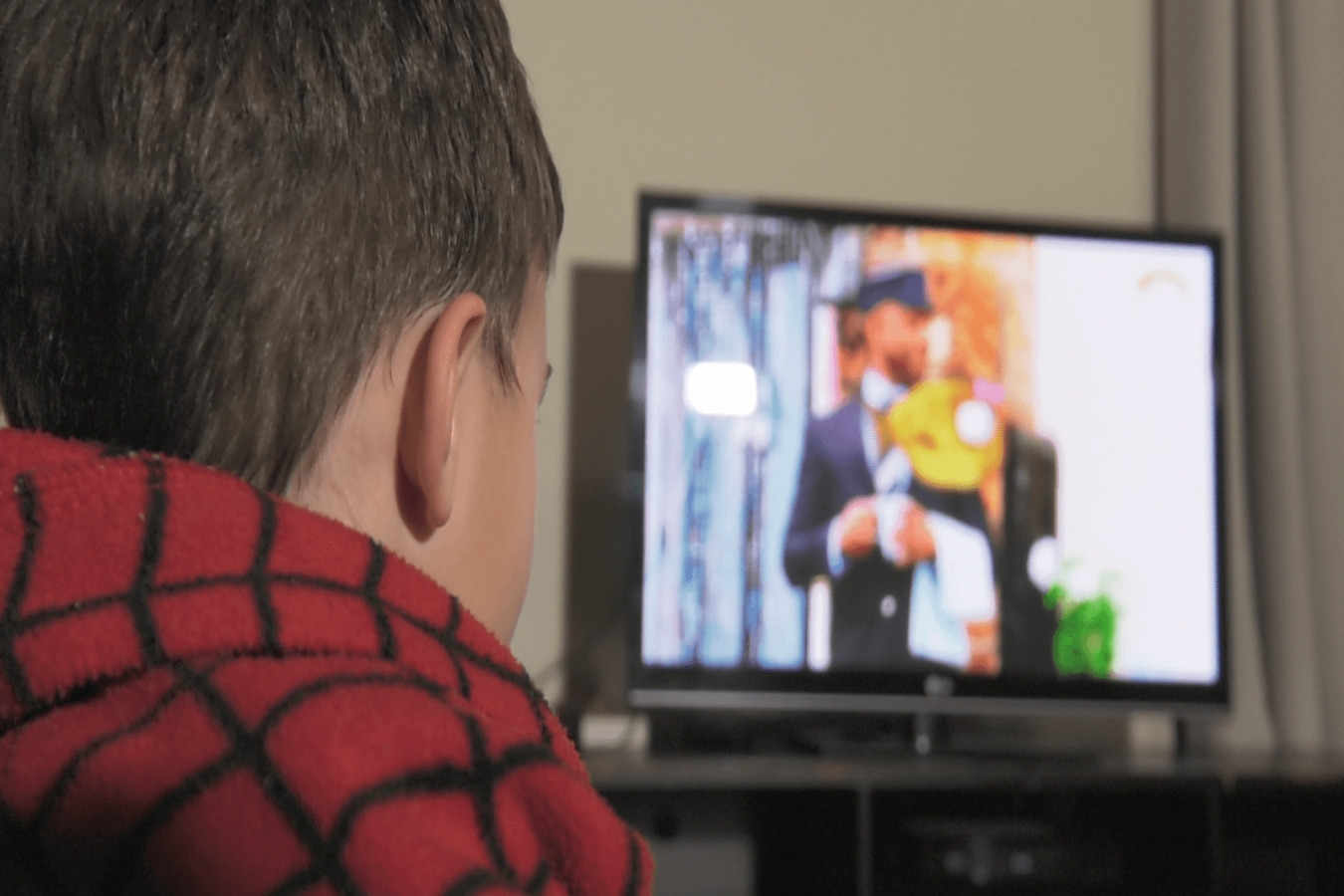
Our children are growing up in the most technologically advanced age to date – screens are everywhere and children see their parents using them all the time. But, according to experts, the old wives’ tale of ‘square eyes’ from too much television is the least of a modern parent’s concerns.
Many parents can probably admit to switching on the iPad or TV to keep their little ones quiet. But if not managed correctly, this seemingly harmless behaviour can have long-term consequences for their child’s development.
A child’s early experiences play a pivotal role in shaping the architecture of the brain and building the connections that enable him or her to develop life skills including communication, self-control, problem-solving and relationship building. Children learn through play and it is through watching, listening, creating, moving and doing that they develop cognitively, physically and socially.
Children learn best when all their senses are stimulated[/pullquote]Children learn best when all their senses are stimulated – visual, auditory, tactile and the movement senses, body awareness and balance. Take a moment to think of your child’s favourite screen game – is it encouraging him or her to be more active and use all senses?
Technology overload can have serious consequences for your child, including:
Physical limitations such as low muscle tone and weak core muscle development, gross motor problems and obesity.
Reduced cognitive abilities including poor problem-solving skills, limited lateral thinking ability, lack of imagination and concentration issues.
Social problems such as weak interpersonal skills, impatience and a constant need for instant gratification.
To limit the impact on brain development, children between the ages of two and six years of age should have a maximum of 1 hour per day screen interaction. Toddlers and pre-schoolers can benefit from technology as a tool of learning, as long as the screen time is an interactive, shared experience.
If used correctly, technology can aid a child’s development in a number of ways:
We cannot deny the fact that technology has transformed the way we live, work and play. But it has also changed the way we interact with each other at home, and that’s not necessarily a good thing. Adults spending all their free time glued to a phone in front of the TV send mixed messages to children about healthy technology usage.
It is therefore important that parents commit to family time without technology – play cards and board games, build puzzles, cook and bake together, play outdoors with a ball, visit a nearby green space, tell stories and read together. That way, not only will you be helping your child to develop into a healthy, well-rounded individual, but you’ll be giving yourself some much-needed ‘off’ time, too!
Reality Of Islam |
|

Two experim

Changing a

Plants are

After spend
 9:3:43
2018-11-05
10 benefits of Marriage in Islam
7:5:22
2019-04-08
benefits of reciting surat yunus, hud &
9:45:7
2018-12-24
advantages & disadvantages of divorce
11:35:12
2018-06-10
6:0:51
2018-10-16
4:25:57
2023-02-11
9:42:16
2022-10-19
11:34:48
2022-06-29
12:10:56
2022-11-17
5:58:12
2021-12-18
7:34:7
2023-02-28
7:0:55
2022-05-17
5:41:46
2023-03-18
| LATEST |
 HOME