الوضع الليلي


 12:33:45
  2026-01-17
  1245
1245
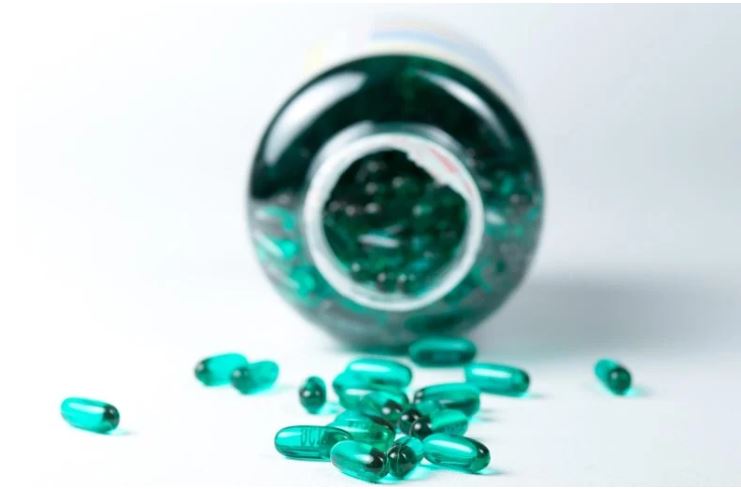
Ibuprofen is one of the most widely used pain relievers, commonly taken for headaches, menstrual pain, and other everyday aches. New research suggests that its effects may extend beyond pain relief and could include potential anti-cancer benefits.
As scientists continue to explore how chronic inflammation contributes to cancer, ibuprofen has drawn growing attention. This has prompted fresh discussion about whether a familiar over-the-counter drug might also play a role in reducing cancer risk.
Ibuprofen is part of a group of medications known as non-steroidal anti-inflammatory drugs (NSAIDs). Interest in NSAIDs and cancer prevention dates back decades. In 1983, clinical evidence showed that sulindac, an older prescription NSAID similar to ibuprofen, was associated with lower rates of colon cancer in certain patients. Since then, researchers have examined whether other drugs in this class might help prevent or slow the development of different cancers.
NSAIDs reduce inflammation by interfering with enzymes known as cyclooxygenases (COX). Scientists generally describe two major forms: COX-1, which helps with everyday maintenance tasks like protecting the stomach lining, supporting kidney function, and enabling normal blood clotting, and COX-2, which plays a larger role in producing inflammation.
Because many NSAIDs, including ibuprofen, block both COX-1 and COX-2, doctors often advise taking them with food instead of on an empty stomach.
Ibuprofen and endometrial cancer
A 2025 study suggested that ibuprofen use could be linked to a lower risk of endometrial cancer. This is the most common type of womb cancer and it begins in the lining of the uterus (the endometrium), with most cases occurring after menopause.
Excess weight is considered one of the most preventable risk factors, partly because higher levels of body fat can raise oestrogen, a hormone that may encourage cancer cell growth.
Additional risk factors include increasing age, hormone replacement therapy (particularly estrogen-only HRT), diabetes, and polycystic ovary syndrome. Risk is also higher for people who start menstruating early, reach menopause later, or never have children. Possible symptoms include abnormal vaginal bleeding, pelvic pain, and pain during sex.
One major analysis came from the Prostrate, Lung, Colorectal, and Ovarian (PLCO) study, which followed data from more than 42,000 women aged 55–74 for 12 years. Participants who said they took at least 30 ibuprofen tablets each month had a 25% lower chance of developing endometrial cancer compared with those who took fewer than four tablets per month. The association was most pronounced among women with heart disease.
Aspirin, another widely used NSAID, did not show the same relationship with lower endometrial cancer risk in this or other studies. However, aspirin may still play a role in reducing the chance of bowel cancer coming back.
Researchers have also examined other NSAIDs, including naproxen, for possible effects on colon, bladder, and breast cancers. Overall, results suggest the impact of these medications may vary depending on the cancer type, a person’s genetics, and their underlying health conditions.
Ibuprofen’s broader potential
Ibuprofen’s possible cancer-protective effects extend beyond endometrial cancer. Studies suggest it may also reduce risk of bowel, breast, lung, and prostate cancers.
For example, people who previously had bowel cancer and took ibuprofen were less likely to experience recurrence. It has also been shown to inhibit colon cancer growth and survival, and some evidence even suggests a protective effect against lung cancer in smokers.
Inflammation is a hallmark of cancer and ibuprofen is, at its core, anti-inflammatory. By blocking COX-2 enzyme activity, the drug reduces production of prostaglandins, chemical messengers that drive inflammation and cell growth – including cancer cell growth. Lower prostaglandin levels may slow or stop tumor development.
But that’s only part of the story. Ibuprofen also appears to influence cancer-related genes such as HIF-1α, NFκB, and STAT3, which help tumor cells survive in low-oxygen conditions and resist treatment.
Ibuprofen seems to reduce the activity of these genes, making cancer cells more vulnerable. It can also alter how DNA is packaged within cells, potentially making cancer cells more sensitive to chemotherapy.
A word of caution
But not all research points in the same direction. A study involving 7,751 patients found that taking aspirin after an endometrial cancer diagnosis was linked to higher mortality, particularly among those who had used aspirin before diagnosis. Other NSAIDs also appeared to increase cancer-related death risk.
Conversely, a recent review found that NSAIDs, especially aspirin, may reduce the risk of several cancers – though regular use of other NSAIDs could raise the risk of kidney cancer. These conflicting results show how complex the interaction between inflammation, immunity, and cancer really is.
Despite the promise, experts warn against self-medicating with ibuprofen for cancer prevention. Long-term or high-dose NSAID use can cause serious side effects such as stomach ulcers, gut bleeding, and kidney damage.
Less commonly, they may trigger heart problems like heart attacks or strokes. NSAIDs also interact with several medications, including warfarin and certain antidepressants, increasing the risk of bleeding and other complications.
The idea that a humble painkiller could help prevent cancer is both exciting and provocative. If future studies confirm these findings, ibuprofen might one day form part of a broader strategy for reducing cancer risk, especially in high-risk groups.
For now, experts agree it’s wiser to focus on lifestyle-based prevention: eating anti-inflammatory foods, maintaining a healthy weight, and staying physically active.
Everyday medicines may yet hold surprising promise, but until the science is settled, the safest prescription for cancer prevention remains the oldest one: eat well, move often, and listen to your doctor before reaching for the pill bottle.
Reality Of Islam |
|

MIT researc

Researchers

Researchers

New phononi
 9:3:43
2018-11-05
9:3:43
2018-11-05
10 benefits of Marriage in Islam
7:5:22
2019-04-08
benefits of reciting surat yunus, hud &
9:45:7
2018-12-24
advantages & disadvantages of divorce
11:35:12
2018-06-10
6:0:51
2018-10-16
8:4:21
2022-01-08
10:35:40
2022-05-26
8:21:9
2018-06-21
4:25:57
2023-02-11
5:57:34
2023-03-18
6:28:21
2022-12-20
8:3:0
2018-06-21
5:41:46
2023-03-18
| LATEST |
 HOME
HOME