الوضع الليلي


 2:56:39
  2023-09-28
  1887
1887
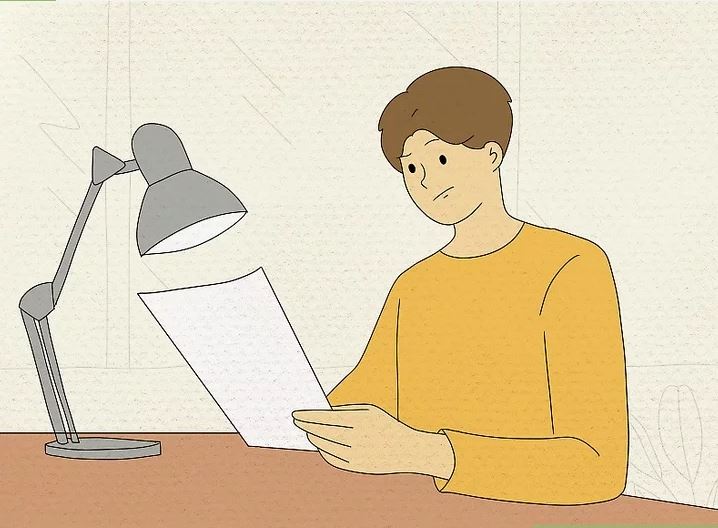
1- Turn up the lights. Bright white light stimulates your body to stay awake. Making sure there is enough bright light in the place you chose to study all night can keep you from getting drowsy and may help you concentrate better on the material you need to cover.
2- Avoid distractions. If you’re up all hours studying, it can be tempting to keep your devices and chat messengers open for stimulation. This can distract from your study session and ultimately harm your performance on the test or assignment.
3- Draw or doodle. If you find your ability to concentrate waning, try drawing or doodling on a spare sheet of paper. Doing something creative like doodling, drawing, or even rolling a piece of clay may make you more alert and relaxed.
4- Have a snack. Studying all night can require a lot of energy. Eating a snack every couple of hours can help you stay alert and give you a chance to relax. Eat something light with protein like a piece of cheese, fresh fruit, a granola bar, or some pretzels. A peanut butter and jelly sandwich is also a good option.
5- Give yourself short breaks. If you are concentrating on material and information diligently, you’re likely to get tired and lose focus. After 60-90 minutes of studying, give yourself a 10-15 minute break to refresh and refocus.
Reality Of Islam |
|

Keeping sil

Two experim
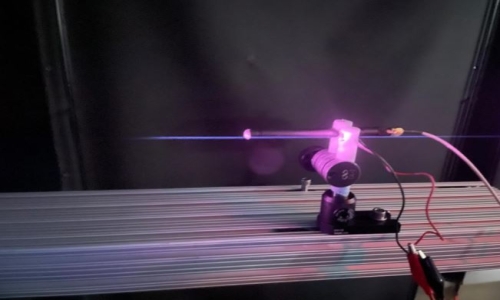
Changing a
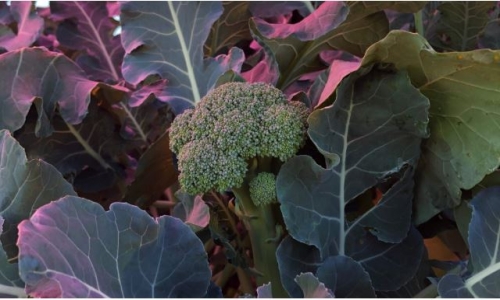
Plants are
 9:3:43
2018-11-05
9:3:43
2018-11-05
10 benefits of Marriage in Islam
7:5:22
2019-04-08
benefits of reciting surat yunus, hud &
9:45:7
2018-12-24
advantages & disadvantages of divorce
11:35:12
2018-06-10
6:0:51
2018-10-16
6:14:3
2023-01-18
the happy life of mankind requirement
6:36:36
2022-01-25
7:59:14
2018-06-21
2:2:13
2022-10-08
al-hussain (peace be upon him)
10:18:1
2022-09-21
6:14:17
2018-06-21
8:19:41
2018-06-21
5:41:46
2023-03-18
| LATEST |
 HOME
HOME