الوضع الليلي


 11:11:40
  2023-07-02
  6683
6683
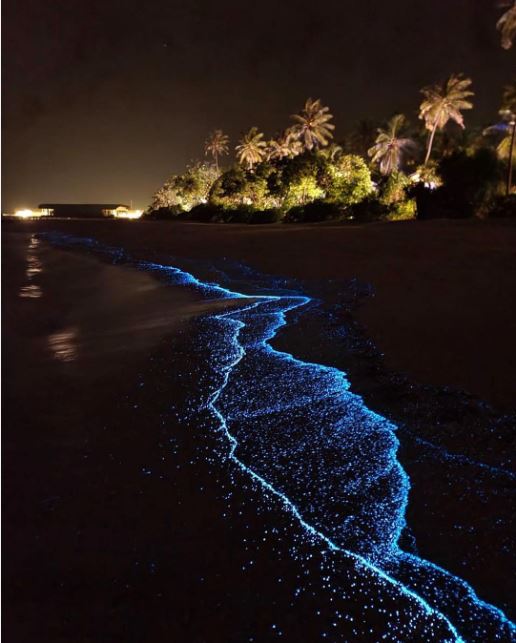
The Maldives is known for its breathtaking beaches: warm white sand, waves that ebb and flow rhythmically and blue lagoons. This tropical nation consists of 26 ring-shaped atolls, which are made up of more than 1,000 coral islands. When looking at what the Maldives has to offer, we’re not surprised it’s a top holiday or honeymoon destination.
The glowing beach, known for its world famous sea of stars, is located in the Vaadhoo Island, one of the islands of Raa Atoll in the Maldives.
What Makes The Beach Bioluminescent?
A natural phenomenon occurs in the Maldives, which turns the beach into a glowing sea of stars – the beach is actually bioluminescent, but is commonly referred to as a glowing beach. This phenomenon is caused by bioluminescent organisms.
Initially this magical effect was said to be caused by bioluminescent plankton but Cornell biology professor James Morin told Huffington post that the organisms creating the glow in the Maldives are ‘ostracod crustaceans’. Referring to the organisms as phytoplankton is a common misconception.
The bioluminescent organisms – ostracod crustaceans – emit light that sets the beach ablaze like stars. This results in the phenomenon of the glowing beach.
An explosion of bioluminescent organisms makes the beach look like it’s been hit by blue radioactive fairy dust. When the waves wash ashore, the sand also starts to glow. This glowing beach really is a sight to behold; hearing someone describe it or seeing pictures of it, doesn’t do this place justice.
Although it looks like a chemical spill, it is perfectly safe to be in the water during bioluminescence.
The phytoplankton emit light for no more than a second, while ostracods make the magic last for seconds to even a minute or longer.
Ostracods emit light when something comes into the water, while phytoplankton emits light from their cells when they are stressed or there’s an unsettling in the water. Seeing as this happens for no more than a second, the phytoplankton emit quite a bit of light because they are easily unsettled: a wave, a kayak or even a hand stirring the water will do the trick. Informally, it’s called the ‘firefly effect.
Reality Of Islam |
|
For more th
A new polym
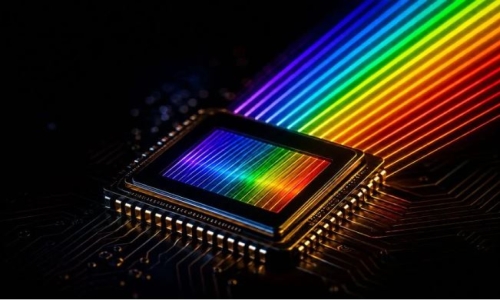
A tiny chip
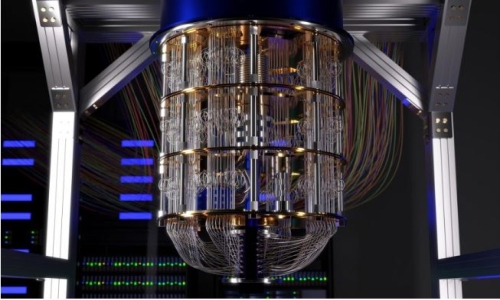
Researchers
 9:3:43
2018-11-05
9:3:43
2018-11-05
10 benefits of Marriage in Islam
7:5:22
2019-04-08
benefits of reciting surat yunus, hud &
9:45:7
2018-12-24
advantages & disadvantages of divorce
11:35:12
2018-06-10
6:0:51
2018-10-16
11:11:59
2023-02-01
8:3:0
2018-06-21
5:58:12
2021-12-18
6:14:17
2018-06-21
8:39:51
2022-09-23
2:5:14
2023-01-28
1:34:8
2022-02-01
5:41:46
2023-03-18
| LATEST |
 HOME
HOME