الوضع الليلي


 4:26:35
  2019-11-25
  1621
1621
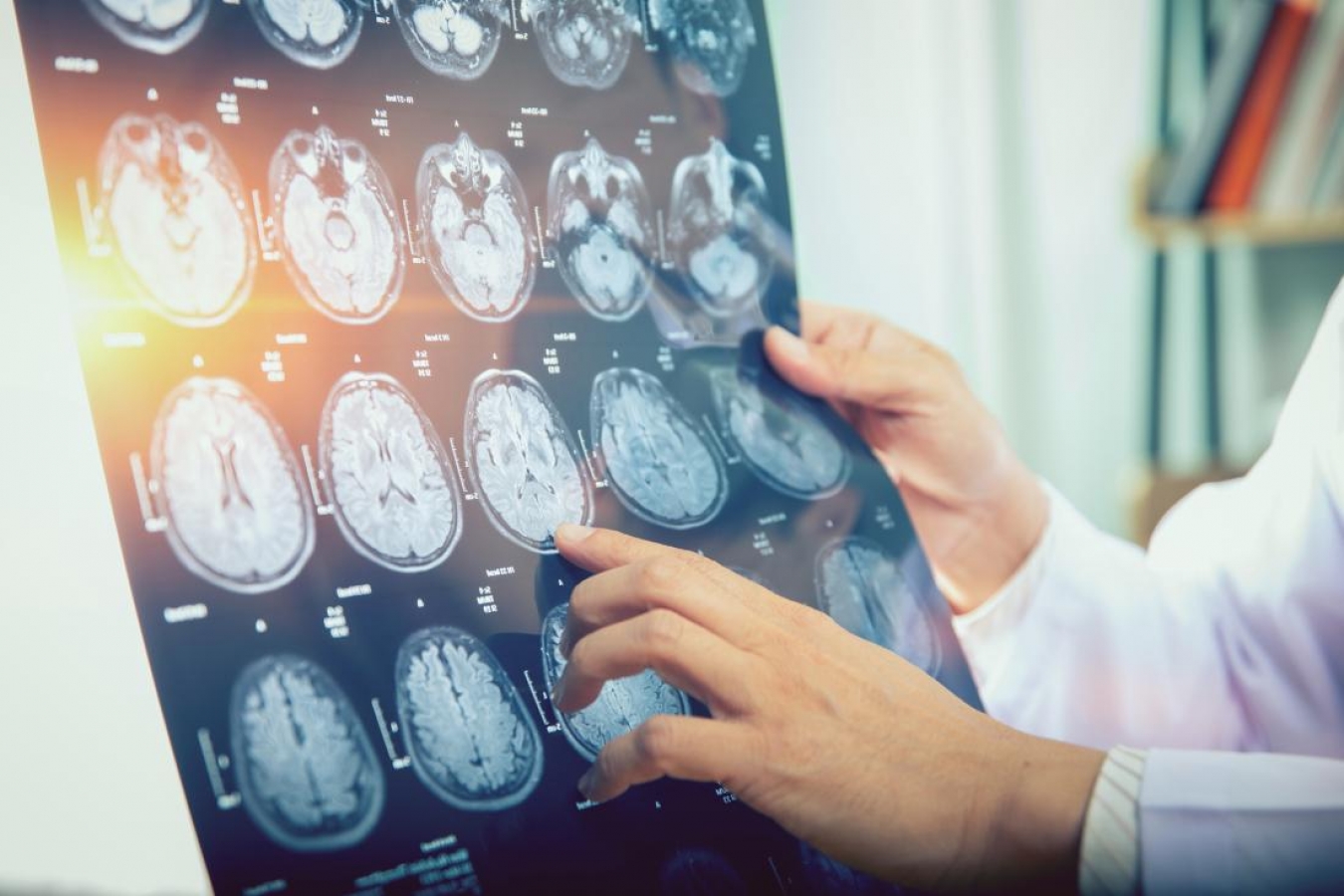
Radiation treatment saves lives, but it can also have a detrimental effect on the brain. New findings suggest that a well-known medication can reverse the damage.
Lithium could become the "first pharmacological treatmentTrusted Source of cognitive late effects in childhood cancer survivors," according to a research team at the Karolinska Institutet in Stockholm, Sweden.
"In the past few years, pediatric oncology has become better at saving lives but does so at a high cost," states Prof. Klas Blomgren, a consultant at the institute's Department of Women's and Children's Health.
"Virtually all children who have received radiation treatment for a brain tumor develop more or less serious cognitive problems," he continues. "This can cause difficulties learning or socializing and even holding down a job later in life."
Finding a way to limit or even reverse this harm was the purpose of a new study, which appears in Molecular PsychiatryTrusted Source.
How does lithium work?
According to the University of California, San Francisco, more than half of those with a brain tumor who undergo radiation therapy experience cognitive decline.
Moreover, a 2013 study in the Journal of Clinical Oncology found that after such therapy, young children showed a "significant" drop in IQ scores.
However, lithium — a medication that doctors commonly use to treat bipolar disorder — may be able to reverse this damage.
Experts are unsure exactly how lithium works, but new findings suggest that it affects two important proteins.
One, called Tppp, is necessary to help cells maintain their shape, while the other, GAD65, plays a role in regulating brain cell communication.
In the study, researchers administered lithium to female mice 4 weeks after the animals had undergone radiation treatment. These mice were young, and they received lithium until they reached early adulthood.
The team compared the formation of neurons in the brain at three separate times: immediately, 2 weeks, and 4 weeks after the administration of lithium.
Improvements in learning and memory
The team noted an increase in new neuron formation in the hippocampus — a brain area associated with memory — during lithium treatment.
However, these neurons only became full nerve cells when the mice stopped receiving lithium.
In terms of memory and learning, mice that had undergone radiation therapy and lithium treatment achieved the same as mice that had not experienced radiation.
Interestingly, lithium only affected irradiated cells. "Healthy cells were left relatively untouched," says Ola Hermanson, a researcher at the institute's Department of Neuroscience.
"From this, we conclude that lithium, given along the lines of this model, can help to heal the damage caused by radiotherapy, even long after it was caused." Lead author Giulia Zanni
A new path
Now, the team is hoping to continue testing the potential of lithium in clinical trials. "We're only just beginning to understand lithium's effects on the brain's ability to repair itself," Hermanson notes.
Several factors require further study. Firstly, there is a concern that lithium may have a detrimental effect by multiplying the surviving tumor cells.
A sensible focus would be to determine whether the use of lithium treatment is most appropriate a couple of years after radiation therapy. At this point, the return of a tumor is less likely.
The researchers will also need to confirm the most effective treatment schedule. Their current theory involves sticking to a sequence of about 1 month of lithium, which precedes 1 month without it.
This approach may not only optimize the treatment of cognitive effects but also reduce the impact of lithium's side effects. Short-term effects currently include nausea, hand tremors, and weight gain.
Whichever path the team decides to take, this appears to be one treatment that deserves a lot more research.
Reality Of Islam |
|

Modern comp
With im
A Sahara De
 9:3:43
2018-11-05
9:3:43
2018-11-05
10 benefits of Marriage in Islam
7:5:22
2019-04-08
benefits of reciting surat yunus, hud &
9:45:7
2018-12-24
advantages & disadvantages of divorce
11:35:12
2018-06-10
6:0:51
2018-10-16
8:21:9
2018-06-21
allah will not answer all your prayers
6:56:28
2022-01-01
11:11:59
2023-02-01
7:0:55
2022-05-17
3:18:29
2022-12-24
10:35:40
2022-05-26
7:32:24
2022-02-14
5:41:46
2023-03-18
| LATEST |
 HOME
HOME