الوضع الليلي


 2:12:30
  2025-04-16
  2238
2238
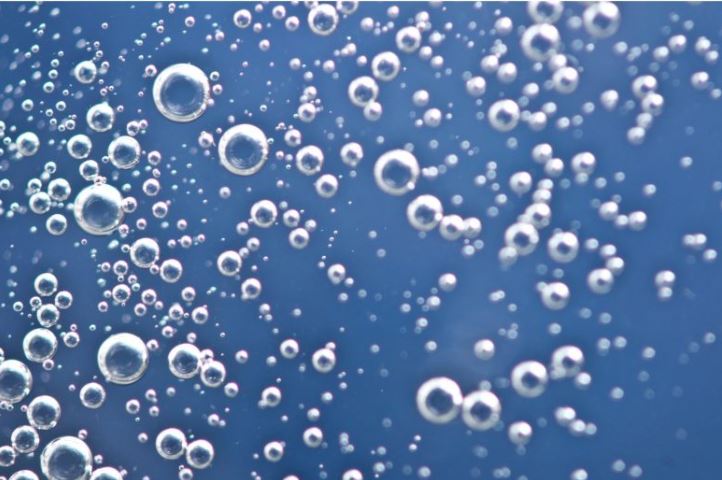
A new study reveals significant changes in the global freshwater oxygen cycle.
Rivers, streams, lakes, and reservoirs aren’t just beautiful features of the landscape, they’re vital to life on Earth. Like us, these inland waters need oxygen to function. But a new study led by researchers at Utrecht university reveals that over the past century, during the Anthropocene, we’ve been slowly suffocating them. Published in Science Advances, the study shows that the way oxygen is produced and used in freshwater systems has changed dramatically since 1900, largely due to human activity.
Oxygen is not only essential for aquatic life, it also plays a key role in critical nutrient cycles like carbon and nitrogen. When oxygen levels drop too low, a condition known as hypoxia, ecosystems begin to unravel. Fish die, food webs collapse, water quality declines, and these effects are already being felt around the world. This study makes it clear: what’s happening to our lakes and rivers isn’t just a local issue. We’re facing a global, human-driven crisis.
Behind oxygen depletion: accelerated oxygen cycle
A group of researchers, led by Utrecht Earth scientists Junjie Wang and Jack Middelburg, have developed for the first time a global model that describes the entire oxygen cycle of inland waters around the world. “With this model, we offer the most complete possible understanding of this cycle on a large scale, so that one can see oxygen-related problems coming, get to know the causes, and hopefully intervene in time,” Jack Middelburg explains.
Inland waters have become much busier places when it comes to oxygen. The team found that the global “oxygen turnover”—that is how much oxygen is produced and consumed—has increased. But here’s the twist: these waters are consuming more oxygen than they produce, making them a growing sink of atmospheric oxygen.
Cause
“More farming, more wastewater, more dams, and a warmer climate—they all change how our freshwater ecosystems function,” says Junjie Wang. With more nutrients flowing into rivers, lakes and reservoirs, algae grow faster, but when they die and decompose, they use up huge amounts of oxygen. “We found that the main causes lay in these direct human activities. First, it turns out that nutrient input through, for example, over-fertilization, is a major driver of this acceleration. Secondly, the longer travel time of freshwater to the sea through the construction of dams and reservoirs has proven to be just as important,” says Jack Middelburg.
At the same time, indirect human impacts like rising temperatures make oxygen less soluble in water, transport slower vertically across the water column, and speed up processes that burn through it even faster. “Until now, the consensus in the scientific literature has always been that the rise in temperature is primarily causing this acceleration. But our model shows that warming only contributes about 10-20% to this phenomenon,” Junjie Wang says.
The Anthropocene fingerprint
This study showed that the modern oxygen cycle in inland waters looks nothing as it did in the early 1900s. “Even though these waters cover just a tiny fraction of Earth’s surface, they now remove nearly 1 billion tonnes of oxygen from the atmosphere each year—overall half of what the entire ocean emits back,” says Middelburg.
“We can’t ignore inland waters in global climate and oxygen budgets anymore,” Junjie Wang adds. “They’re changing faster than we thought, and they’re crucial pieces of the Earth system puzzle.”
Reality Of Islam |
|
Keeping sil
Two experim

Changing a
Plants are
 9:3:43
2018-11-05
9:3:43
2018-11-05
10 benefits of Marriage in Islam
7:5:22
2019-04-08
benefits of reciting surat yunus, hud &
9:45:7
2018-12-24
advantages & disadvantages of divorce
11:35:12
2018-06-10
6:0:51
2018-10-16
10:55:53
2022-06-13
7:32:24
2022-02-14
8:19:41
2018-06-21
1:16:44
2018-05-14
2:13:43
2022-05-27
9:50:37
2023-02-28
2:33:4
2023-02-15
5:41:46
2023-03-18
| LATEST |
 HOME
HOME