الوضع الليلي


 11:43:45
  2025-01-29
  1812
1812
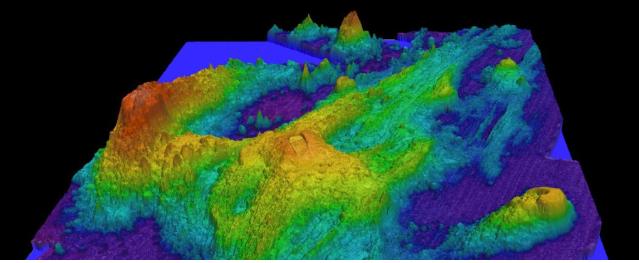
Earth bubbles and broils beneath an underwater peak called Axial Seamount, located 480 kilometers (300 miles) off Oregon's coast, causing it to swell in changing patterns that hint at impending strife.
This has prompted scientists to predict the submerged volcano will erupt before the end of 2025.
"Axial is the most active volcano in the Northeast Pacific which maybe some people don't know, because it's hidden under the ocean," volcanologist Bill Chadwick told Jenn Chávezin in the Oregon Public Broadcasting podcast.
The shield structure of the submerged peak indicates the mountain was formed from thin lava. This means the eruption will merely crack open at the surface, rather than explode, allowing magma to ooze out and create new seafloor, so it luckily won't produce anything dramatic like a tsunami.
Researchers who have monitored this underwater volcano since 1997 have recently observed the number of earthquakes in the vicinity soar into the hundreds per day.
Axial Seamount's rate of seismic activity has increased steadily for at least 6 months, but "it can't do this forever", Chadwick and his colleague, University of North Carolina geophysicist Scott Nooner, explain in a blog post.
While this inevitable, underwater eruption is unlikely to pose a threat to humans, monitoring the volcano could help researchers better predict more dangerous volcanic events.
The underwater mountain has erupted three times in the last 30 years, including in 1998 and 2011. It last erupted in 2015, and the seamount has now reached the same size of inflation that preceded this event.
The swelling is caused by the pressure of rising magma forcing the mountain's surface to uplift.
A recent study of seismic data identified multiple magma reservoirs under the volcano. They sit asymmetrically in Earth's upper crust beneath layers of basalt and gabbro – coarse magnesium and iron-rich rocks.
The team also identified the connection that linked the main magma reservoir roof with the eruptive fissures on the seafloor. But there is still a lot more to work out.
"The reason for the connection between the high-melt zone and the focusing of eruptive fissures near the eastern caldera wall in 1998, 2011, and 2015 remains unclear," China University of Petroleum geophysicist Jidong Yang and colleagues write in their paper.
Axial Seamount sits where the Juan de Fuca tectonic plate meets with the Pacific plate. Here, new seafloor gradually spreads out from this bulging seam – fresh ocean crust ejected by the pressure of the colliding plates.
"We're hoping the lessons we learn here can be applied to volcanoes worldwide," says Chadwick.
Reality Of Islam |
|

Keeping sil
Two experim
Changing a
Plants are
 9:3:43
2018-11-05
9:3:43
2018-11-05
10 benefits of Marriage in Islam
7:5:22
2019-04-08
benefits of reciting surat yunus, hud &
9:45:7
2018-12-24
advantages & disadvantages of divorce
11:35:12
2018-06-10
6:0:51
2018-10-16
8:30:23
2022-03-03
7:45:39
2018-06-21
9:42:16
2022-10-19
11:34:48
2022-06-29
10:55:53
2022-06-13
6:0:8
2023-03-19
3:18:29
2022-12-24
5:41:46
2023-03-18
| LATEST |
 HOME
HOME