الوضع الليلي


 10:46:39
  2024-02-18
  2187
2187
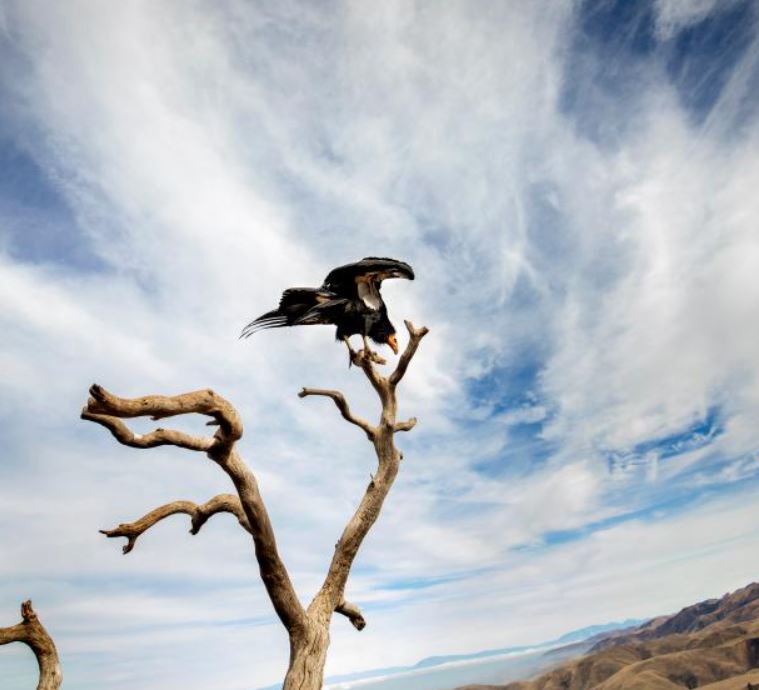
Spotting a condor in the wild would be the rarest of treats, perhaps even more rare than spotting a wolf in Yellowstone National Park, which had just been reintroduced not that long before the 1990s. In fact, the wolf was what opened my eyes to the fact that humans could bring an animal back to an ecosystem it had disappeared, that we weren’t just sitting idly back while species would become ghosts in a place they had lived for millennia.
California Condors were on the brink of extinction in the 1980s due to human impact. Conservationist and nature photographer Ian Shive visits Bitter Creek National Wildlife Refuge to check out their amazing comeback.
Unlike the wolf, though, the condor had wings and its habitat and nesting sites tend to be located up steep cliffs and in exceptionally remote areas, all factors that made seeing one even more difficult. Add to the fact that in 1987, there were only 27 condors left, none of which were in the wild, only in captive breeding programs. It was those breeding programs, though, that contributed to their population numbers rising, enough that by 1991 they could release some into the wild. In 2018, their numbers had slowly risen to 488 condors in the wild or in captivity.
Still, the odds of seeing a condor, which remains a critically endangered species, let alone getting a photo of one, is very low. Condor numbers initially dropped mostly due to human factors, such as poaching, habitat destruction, and lead poisoning--these are all challenges they still face today. Lead poisoning remains a unique problem and is still being addressed by conservationists. Condors ingest lead into their systems by scavenging carcasses left behind by hunters, their lead bullets lodged within the flesh of the deceased animal from which the condor eats. Some estimates attribute 60% of condor deaths to lead poisoning, however through policy changes and hunter education, change is happening and improvements are being made.
This is just a bird's eye view of the challenges facing condors, there are many others, but it is part of why the opportunity to work with the US Fish & Wildlife Service team and their partners aiding in their recovery is so special to me as a photographer. I am not only able to photograph the birds in their wild habitat, but also understand and document how difficult the work is of those people on the front lines of conservation. These are big birds, weighing 20-pounds with an almost 10 foot wingspan and a razor sharp beak. They are used to tearing flesh off of dead things, so as someone physically handling them, you have to be skilled and to a degree, a bit fearless.
Reality Of Islam |
|

Now in spac

NASA’

A new elect

A new algor
 9:3:43
2018-11-05
9:3:43
2018-11-05
10 benefits of Marriage in Islam
7:5:22
2019-04-08
benefits of reciting surat yunus, hud &
9:45:7
2018-12-24
advantages & disadvantages of divorce
11:35:12
2018-06-10
6:0:51
2018-10-16
4:2:19
2022-10-10
6:14:17
2018-06-21
6:0:8
2023-03-19
1:38:41
2021-12-08
12:47:1
2022-12-20
3:42:22
2021-12-24
2:42:26
2023-02-02
5:41:46
2023-03-18
| LATEST |
 HOME
HOME