الوضع الليلي


 11:22:57
 2023-11-28
 2264
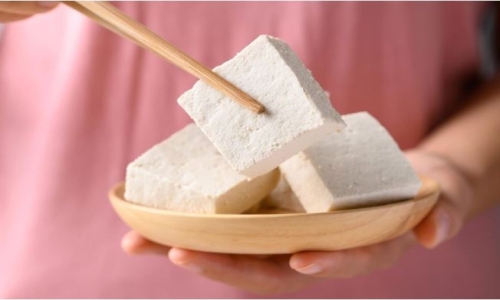
Many people believe that taking nutritional supplements improves their health in general, but excessive use of these supplements unnecessarily and misusing them may harm your health. Experts have warned of some nutritional supplements that you should be careful before taking, because they may pose a risk to your health, according to the website she finds.
1 - Ephedra herb supplements
If you're concerned about your blood pressure, heart rate, or overall cardiovascular health, you should stay away from supplements that contain ephedra, as ephedra can increase blood pressure, heart rate, metabolism, and fat burning.
It can be especially dangerous when combined with other medications and ephedra can interact with blood pressure medications and other medications such as caffeine and decongestants.
The US Food and Drug Administration banned ephedra in 2004 when it was linked to heart attacks, strokes, seizures and even death. Despite this ban, some products may still contain ephedra or its derivatives.
2- Beta carotene supplements
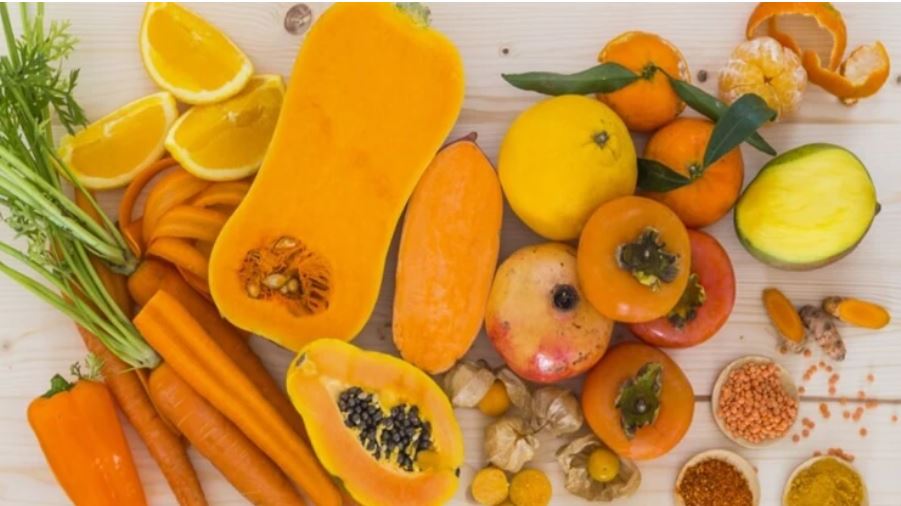
Beta-carotene is a pigment commonly found in a number of yellow and orange fruits and vegetables such as carrots.
Because it has been shown to offer potential health benefits, such as better vision and a stronger immune system, it can sometimes be found in multivitamins and other supplements. However, some individuals - specifically smokers - may be at risk of developing lung cancer.
Doctors warn that “beta carotene is linked to a higher risk of lung cancer in some people, especially smokers.”
According to a study conducted on the effectiveness of beta-carotene and retinol, it showed that people who took beta-carotene supplements and smoked were more likely to develop lung cancer.
But if you eat a lot of carrots, don't worry; This dye is generally considered safe when it comes from food sources.
However, high-dose beta-carotene supplements should be used with caution, especially in groups at risk for lung cancer.
3 - Kava
Kava is a popular stress supplement that shows promising benefits when it comes to lowering anxiety levels. However, what you gain in feeling calm, you may pay for with health risks, especially when it comes to your liver and kidneys.
Kava, commonly taken as a tea, is a supplement known to promote relaxation but regular consumption of kava has been shown to affect the activity of enzymes and antioxidants in the liver which may lead to liver damage.
Regarding the kidneys, he notes, “Kava may reduce blood flow to the kidneys and cause increases in harmful metabolites that can damage them as well.”
While kava may be safe for some individuals when taken in moderation, it is best for those with kidney and liver problems to stay on the safe side and avoid it altogether
Reality Of Islam |
|

A simple ch

Researchers

A new break

Scientists
 9:3:43
2018-11-05
10 benefits of Marriage in Islam
7:5:22
2019-04-08
benefits of reciting surat yunus, hud &
9:45:7
2018-12-24
advantages & disadvantages of divorce
11:35:12
2018-06-10
6:0:51
2018-10-16
8:21:9
2018-06-21
allah will not answer all your prayers
6:56:28
2022-01-01
8:3:0
2018-06-21
8:25:12
2022-03-09
the happy life of mankind requirement
6:36:36
2022-01-25
5:58:12
2021-12-18
12:47:1
2022-12-20
5:41:46
2023-03-18
| LATEST |
 HOME