الوضع الليلي


 11:59:41
  2024-12-04
  2031
2031

Could coffee help to counteract some of the effects of alcohol on the brain, and potentially limit the risk of addiction? That's what's suggested by a new study of how caffeine interacts with the production of the feel-good chemical dopamine.
Previous work has established that caffeine interferes with some of the ways that alcohol changes behavior. In this latest research, a team of scientists from Italy and the US took a closer look at what's happening in this relationship.
In experiments with rats, the researchers found that caffeine has a significant impact on the mesolimbic dopamine pathway, an important part of the brain's reward system, through which dopamine is released.
This same pathway has been linked to some of the brain reinforcement mechanisms that keep those with alcohol use disorder coming back for more – which means it might be possible to develop treatments that break these damaging loops in behavior.
"The consumption of alcohol and caffeine affects the lives of billions of individuals worldwide," write the researchers in their published paper.
"Although recent evidence indicates that caffeine impairs the reinforcing properties of alcohol, a characterization of its effects on alcohol-stimulated mesolimbic dopamine function was lacking."
The researchers found that caffeine blocks the conversion of alcohol into salsolinol, the chemical that triggers dopamine release. That would make drinking less pleasurable – and decrease the desire to keep doing it.
However, there seems to be more to caffeine's dopamine blocking than just counteracting what alcohol does. It also seems to directly interfere with how the brain identifies and responds to both salsolinol and morphine.
Morphine is also addictive of course, and the researchers think this makes caffeine a promising option for addiction prevention more generally. Both salsolinol and morphine flick a brain switch known as the μ receptor, which could be targeted.
"Encouragingly, one of the few FDA-approved drugs for alcohol use disorder, the μ receptor antagonist naltrexone, also prevents the reinforcing effects of alcohol by interfering with its enhancement of the mesolimbic dopamine transmission," one of the study's lead authors, neuroscientist Riccardo Maccioni from Scripps Research in California, said on LinkedIn.
Next, the researchers want to run tests on other animals to verify their results – only male rats were used here – and they're keen to see how these effects might change over a longer period.
"It'd be interesting to see the effects of caffeine on animals that are already dependent on alcohol," Maccioni told Eric W. Dolan at PsyPost.
"After that, we'd be interested in verifying whether this study can provide insightful suggestions on potential therapeutic targets for alcohol use disorder."
Reality Of Islam |
|
Keeping sil
Two experim
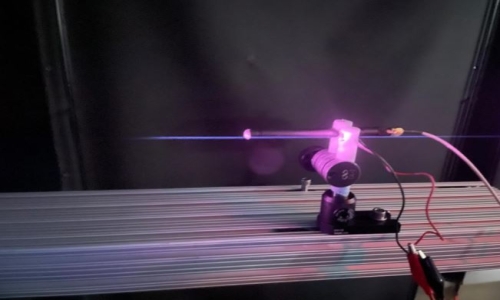
Changing a
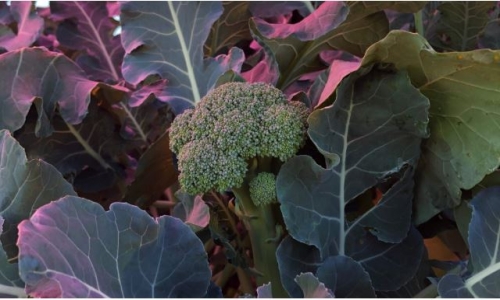
Plants are
 9:3:43
2018-11-05
9:3:43
2018-11-05
10 benefits of Marriage in Islam
7:5:22
2019-04-08
benefits of reciting surat yunus, hud &
9:45:7
2018-12-24
advantages & disadvantages of divorce
11:35:12
2018-06-10
6:0:51
2018-10-16
4:25:57
2023-02-11
9:42:16
2022-10-19
3:18:29
2022-12-24
9:39:36
2022-12-28
10:55:53
2022-06-13
allah will not answer all your prayers
6:56:28
2022-01-01
11:2:27
2022-10-06
5:41:46
2023-03-18
| LATEST |
 HOME
HOME