الوضع الليلي


 4:35:54
  2024-09-24
  2009
2009

As automation advances, John Ruskin’s thoughts on creativity, autonomy, and thoughtful labor remain strikingly relevant. His ideas challenge us to rethink what work should be in the age of machines.
We can use automation for all sorts of tasks but if we allow it to strip away the elements of work that make it meaningful, we risk losing something vital. Ruskin’s vision of work was one where human creativity, agency, and joy in the process were central.
Ruskin’s ideas can be framed in psychological terms, but his original work offers a more profound view of humanity—one that embraces beauty, transcendence, and a deep sense of appreciation for the natural world, human society, and the fundamental connection between the two. His philosophy on good work and aesthetic appreciation is far greater than the sum of its parts. That’s the lesson we need to carry forward as we shape the future of work in an automated world.
Reality Of Islam |
|

Keeping sil

Two experim
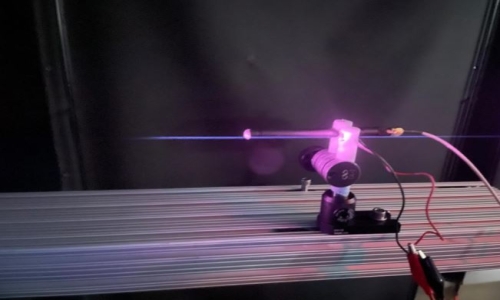
Changing a

Plants are
 9:3:43
2018-11-05
9:3:43
2018-11-05
10 benefits of Marriage in Islam
7:5:22
2019-04-08
benefits of reciting surat yunus, hud &
9:45:7
2018-12-24
advantages & disadvantages of divorce
11:35:12
2018-06-10
6:0:51
2018-10-16
10:43:56
2022-06-22
10:55:53
2022-06-13
4:26:43
2022-02-21
3:42:22
2021-12-24
8:30:23
2022-03-03
1:16:44
2018-05-14
2:2:13
2022-10-08
5:41:46
2023-03-18
| LATEST |
 HOME
HOME